

 Contact us
- : 0086-371-86151627 0086-371-86151827
- : 0086-371-86011881
- : [email protected]
- : [email protected]
- : bebonchina
Products- Boiler steels
- High carbon steel
- High Yield steel
- steel for welded tubes
- General construction steel
- steel with Cr.,Mo.,Cr-Mo
- Steel for large diameter pipes
- Simple pressure vessels steel
- Steel for gas cylinders and gas vessels
- General purpose structural steels
- Steel for boilers and pressure vessels
- steel resistant to atmospherical corrosion
- Carbon steel and low alloy steel
- Fine-grain structural steels,normalised rolled
- weldable normalized fine grained pressure vessel steels
News- Heavy-Forging Thick Steel Plates for
- Marine-Grade Thick Steel Plates for
- Storage Tank Thick Steel Plates for
- Seismic-Resistant Thick Steel Plates
- Extra-Wide Thick Steel Plates for La
- Clad Thick Steel Plates with Stainle
- HIC-Resistant Thick Steel Plates for
- Low-Temperature Thick Steel Plates f
- Thick Steel Plates for Offshore Wind
- Thick Steel Plates in Cement Product
A36 steel plate smelting process
Pretreatment of molten iron: Pretreatment of molten iron to remove impurities and gases in preparation for the subsequent smelting process of A36 steel plates.
Converter smelting: Pour the molten iron into the converter, add an appropriate amount of scrap steel and alloy materials, and proceed with smelting.
Refining treatment: Refining the molten steel after smelting in the converter, and achieving the required chemical composition and mechanical properties by adding alloy elements and adjusting temperature.
Continuous casting: The refined molten steel is poured into the continuous casting machine, and after cooling and molding, a steel slab with a certain thickness and width is formed.
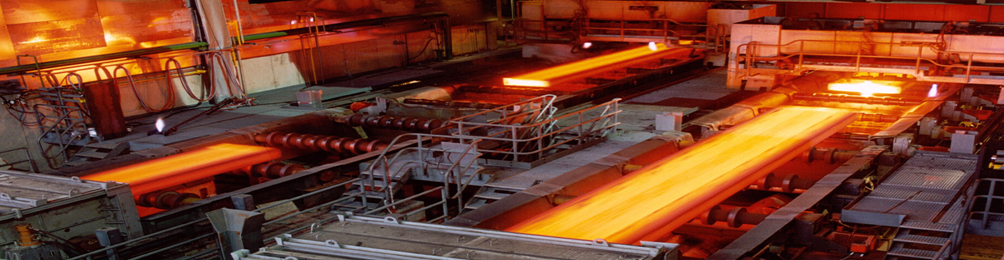
Rolling: The A36 steel slab is heated and put into the rolling mill. After multiple passes of rolling, an A36 steel plate with the required thickness and width is formed.
Heat treatment: According to the user's needs, the A36 steel plate is heat treated to adjust its mechanical properties and microstructure to achieve the required strength, toughness, hardness, corrosion resistance and other indicators.
Flaw detection: Finally, conduct flaw detection on the A36 steel plate to ensure that its surface quality and dimensional accuracy meet the requirements.