

 Contact us
- : 0086-371-86151627 0086-371-86151827
- : 0086-371-86011881
- : [email protected]
- : [email protected]
- : bebonchina
Products- Boiler steels
- High carbon steel
- High Yield steel
- steel for welded tubes
- General construction steel
- steel with Cr.,Mo.,Cr-Mo
- Steel for large diameter pipes
- Simple pressure vessels steel
- Steel for gas cylinders and gas vessels
- General purpose structural steels
- Steel for boilers and pressure vessels
- steel resistant to atmospherical corrosion
- Carbon steel and low alloy steel
- Fine-grain structural steels,normalised rolled
- weldable normalized fine grained pressure vessel steels
News- Fire-Resistant Thick Steel Plates fo
- Ultrasonic-Tested Thick Steel Plates
- Low-Carbon Thick Steel Plates for Co
- Abrasion-Resistant Thick Steel Plate
- Thick Steel Plates for Hydroelectric
- Thick Steel Plates in Steel Mill Equ
- Tool & Die Thick Steel Plates for He
- Large-Dimension Thick Steel Plates f
- Nuclear-Grade Thick Steel Plates for
- Weather-Resistant Thick Steel Plates
Abrasion resistant steel plate production process
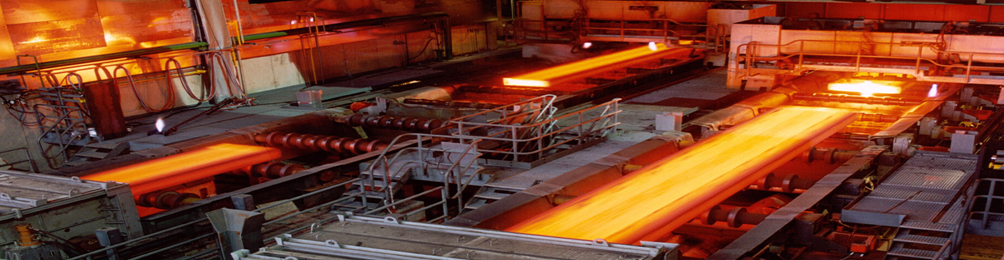
Abrasion resistant steel plate is smelted in electric furnaces or converters, and most of the products are castings.
In recent years, hot processed materials such as forging and rolling have been increasing. The production method of abrasion resistant steel plate parts used in general machinery is not much different from other workpieces, but there should be requirements in terms of heat treatment process or surface treatment process to meet the requirements of ensuring wear resistance.
For those steel parts whose material metallurgical purity significantly affects wear resistance, refining measures should be taken, and limit requirements for harmful impurities and gases should be put forward. The number, shape and distribution of the second phase outside the matrix often have a significant impact on the wear resistance of steel parts. At this time,in order to strive to meet the requirements of improving wear resistance from the aspect of metallurgical factors, it is necessary to coordinate the design of the chemical composition of the steel, smelting, thermal processing, heat treatment (including thermomechanical treatment), etc.